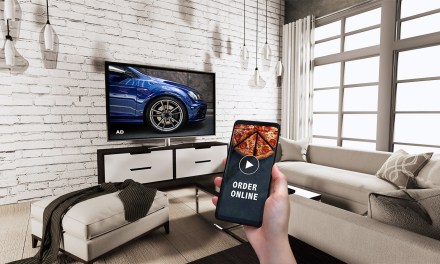



Do you avoid trying to sell digital video ads because you think it’s too hard for your advertisers to execute? You’re not alone. Video ads require more work around creative, but they have so much potential to drive traffic and increase revenue for your customers.
All your advertisers need is some advice and counsel, and we’re going to show you how to provide that in a way that’s not overwhelming for anyone.
Online Video Consumption Is Skyrocketing
You’d have to be living off the grid to be unaware of the proliferation of video content. Consumers spend a considerable amount of time watching videos online. In 2023, the average U.S. adult spent 176 minutes doing so each day. For perspective, they only watched TV for 142 minutes per day. Projections for the next few years show this divide widening.
This statistic includes all video. One of the biggest growth areas for video consumption is streaming, either on mobile devices or smart TVs. Almost every streamer has an ad-supported tier, and subscribers choosing this option hit more than 100 million in the U.S. It’s now the most popular destination for TV viewing, according to Nielsen data.
The proliferation of FAST (free ad-supported TV) channels has created even more video viewing opportunities, and 47% of U.S. households tune in to these weekly.
The ability to reach audiences through any type of video, from streaming to YouTube to social media sites, has never been greater.
Pairing video ads within these platforms will help your advertisers connect with audiences. Much of the time, these ads aren’t skippable. They are also targeted, meaning those viewing them will likely find them relevant.
Consumers’ obsession with video makes it a perfect ad tactic, and it delivers great ROI.
Video Connects and Deliver Results
Video tells a story, requiring engagement with eyes and ears. As a result, it can support recall and make a strong impression. People also prefer video in product or service discovery, and 91% of people have watched an explainer video to learn more about a product or service.
Video can also convert demand. For example, 82% of consumers said a video convinced them to make a purchase.
In terms of ROI, 90% of marketers using video ads rated good in this category. They also said video marketing helped improve users’ understanding of a product or service and increase brand awareness.
With all these positives, local businesses are ready to invest more in video. In the 12th annual benchmarking report on radio digital sales, local businesses cited streaming video ads as a top choice for investment.
Thus, it’s clear that video ads are the right direction, but that doesn’t mean your advertisers feel comfortable. So, what’s really holding them back?
There’s Video Confusion
What is a video ad? How are video ads that play on YouTube, general websites or streaming services different?
There are differences across the platforms. First, OTT video ads play on mobile devices. CTV is a subcategory of OTT that plays on smart TVs. Video ads play on websites or apps. YouTube TrueView refers to a category of ads on the platform. You can learn about each type in our post OTT vs. CTV vs. Video Ads.
Where they play is a key differentiator, but each also has unique targeting capabilities related to geography, behaviors and demographics.
Creative Is the Biggest Pain Point
The most significant objection most local media sellers will hear is about developing the creative. How can they produce a video? They may say they don’t have the budget or capabilities for that.
You might have the same thoughts, so that’s why you avoid it. How can you pitch something if you don’t have an execution plan? You’ll need to address these concerns head-on, as they are all related to the actual production of the video.
Thankfully, these are just perceptions, and you can overcome them with a plan that eliminates fears over time, complexity and costs.
Advertisers certainly don’t need to spend hours trying to do it on their own or growing frustrated with platforms that aren’t easy. They also don’t need a Hollywood budget to produce great video ads. What they do need are reliable resources for the creative.
Here are some we recommend. Check them out briefly, if you haven’t before, prior to your conversations with advertisers.
Subscription Platforms
Subscription services offer animation, stock footage and an easy-to-use platform for creating the video. You don’t need technical skills; it’s all drag-and-drop and intuitive. Some of these include:




Freelancers
If your advertisers want to outsource video production but stay within a tight budget, they can find animators and video producers on sites like Fiverr, Flocksy and Upwork. If they’ve never been on these sites, you can help them navigate and select a freelancer. These sites have ratings and include portfolios. The process and pricing are very transparent, so there are no surprises.
Canned Videos from Manufacturers or Parent Companies
If your advertiser has access to video from manufacturers on items they’d like to promote or footage provided to a franchise, this is another option. They could use this and then make a few changes to highlight their location, either with a freelancer or in a subscription platform.
Once advertisers understand that the production part doesn’t have to hold them back, they’ll be more apt to try video. Once they do, and you have performance data to share with them, they’ll make it a regular part of their campaigns. Your advertisers could get better results, and your numbers will be stronger.
AI for Video Creation
One of the most popular use cases for AI in advertising is how it can produce creative. The output has become more professional, and it’s also cost-effective. Many of our broadcast customers are using it with great success.
Here are some options for generating AI video ads:



Some pointers for using AI for video:
- The output is directly related to the prompts, so make them specific in terms of visuals.
- Detailed script prompts related to voice, tone and length are also necessary.
- AI isn’t perfect, so look out for “extras” that it sometimes adds, like six fingers on a hand.
Feel Confident About Proposing Video to Your Advertisers
Getting advertisers comfortable with video will require more than one conversation. You just have to keep chipping away at doubt with data and solutions. If you want to increase your knowledge on how to earn more video revenue, check out these other resources:
Ask the Expert: When Should You Recommend Video Geofencing?