

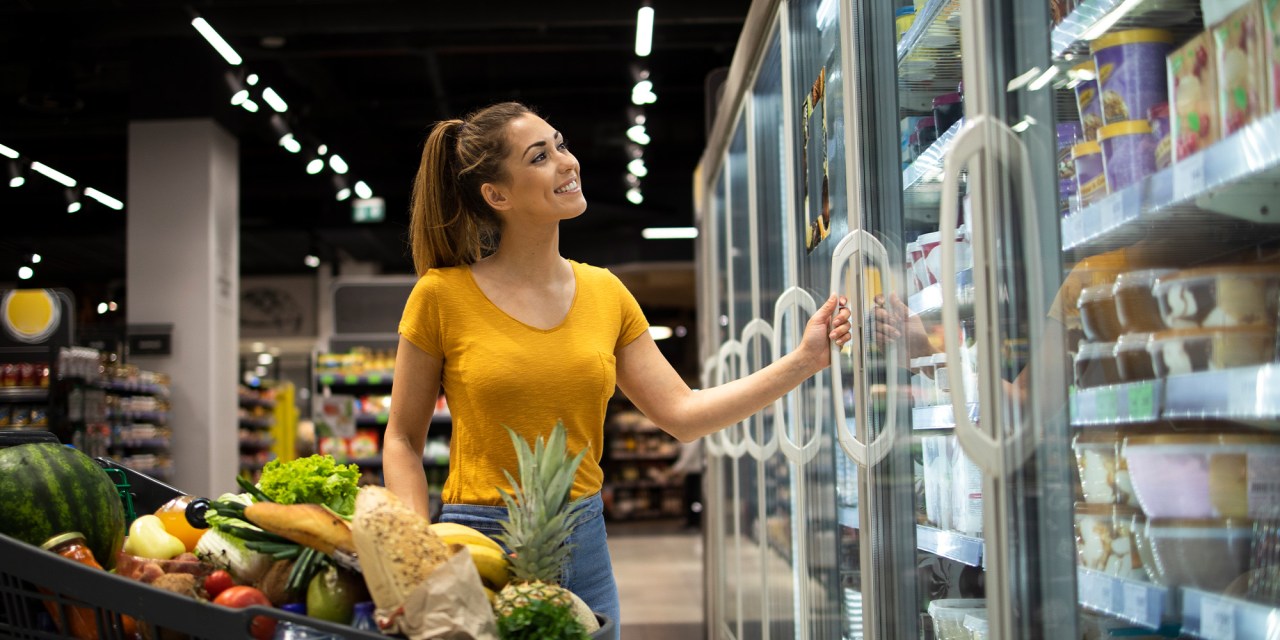

Grocery stores are reliable local advertisers. Even though many are national brands, localization matters in their marketing. Additionally, many specialty and independent grocers serve your market. Grocery store advertising also needs constant refreshing, making it ideal for digital and radio campaigns.
When turning your attention to the industry, use these tips to prospect smarter and deliver value in your pitch.
Grocery Stores Are Top Spenders in Radio and Digital
According to BIA Advisory Services, grocery stores were among the top five spenders for both radio OTA and digital purchasing from stations. In 2024, the projected spend for each category is:
- $350.1 million on radio
- $102 million on digital
Thus, you have an opportunity to get your share of these budgets. The challenge you face in beginning prospecting is that grocery stores may already have relationships with other local media sellers. Alternatively, they may use agencies or manage it all in-house.
Where and how they spend their local ad dollars shapes your prospecting strategy.
Other Trends Impacting Grocery Store Advertising
Grocery stores currently have a lot more competitors. It’s not just other grocers; dollar stores have become a preferred retailer for price-conscious consumers. Higher grocery bills have been a constant theme, and people are seeking alternatives.
Another competitor for supermarkets is meal box delivery services. Some larger grocers do own these. For example, Kroger owns Home Chef. Others aren’t directly affiliated with grocery chains, and many Americans find this to be a more convenient way to plan their meals.
Mass retailers fall somewhere in the gray area of being in the grocery category. However, consumers have been moving away from these brands, with 40% of people opting for true supermarkets as their primary choice for groceries.
The way people grocery shop also changed dramatically during the pandemic. Online ordering for pickup or delivery soared, and it’s still a growing category. According to the Food Industry Association’s recent survey, 67% of consumers order online occasionally, up from 49%.
Brand loyalty is no longer an obstacle to acquiring new customers, especially those seeking the best prices. The downside is that grocers need to also concentrate more on customer retention.
Understanding consumer behavior trends and preferences is essential for elevating your pitch. It provides material for your valid business reason (VBR). For example, if a local grocer isn’t driving much awareness of online ordering, you can quote stats to demonstrate how important that messaging is to their audience.
Finding the Best Angle for Local Grocery Store Advertising
These tips can help you develop and execute a solid prospecting plan for the grocery industry.
Segment National and Local Brands
Each group has unique advertising needs. However, both want to deliver messages relevant to a local audience. Consider these nuances when prospecting. Either way, you can reference your expertise in the market to help them best reach grocery shoppers.
If it’s a national chain, you may be able to investigate its media buys, which could be at the corporate or regional level.
It’ll be easier to find decision makers for local grocers. In fact, you might have mutual connections. Looking them up on LinkedIn is a good way to find out.
Review Current Advertising to Find Gaps
In our recent webinar, Initiating the Digital Conversation, our experts shared many ways to assess a customer’s digital footprint. Visiting their website and social media profiles, along with using some tools to “rate” their digital impact, can help you discern gaps.
They may not drive much traffic to their website or aren’t being strategic with promotions. It could be a way to start a conversation. When you bring up opportunities for the advertiser to get more ROI from ad spend, you showcase your expertise.
Highlight Ways to Use Digital to Reach Specific Households
Many supermarkets are specialty stores catering to different demographics or cuisines. While not all shoppers who frequent them are the same, these businesses may want to target groups specifically. Doing this compliantly and ethically matters, so you’ll need to educate them on this and advise of the options, such as:
- Targeting by language
- Choosing audience interests that align with cooking
Also, some tactics can focus on language-based content. For example, CTV ads can play on Spanish content.
Prepare a Pitch That Marries Radio and Digital
As noted, grocery stores spend on local radio and digital advertising. They understand that with both, they get reach and targeting. What makes your offerings unique is that you can offer both in an integrated campaign.
Radio lifts digital performance, so a connected campaign can boost results. Whatever the topic or theme is, emphasize that it should be cohesive. As shoppers hear and view these ads, they’ll have greater recall, which can lead to more purchases.
When you can propose both together, you can showcase the total impact of their ad campaign, including targeting, budgeting and more.
Prospect for More Local Grocery Advertising
Grocery stores are a retail necessity. Every consumer is a target, and these retailers often advertise based on localization. Since they are loyal local spenders, continuing to prospect for this industry can pay off. Plus, they change promotions and products continuously, so their need to advertise never ebbs.
For campaign inspiration, read our post on grocery store OTT ad ideas.